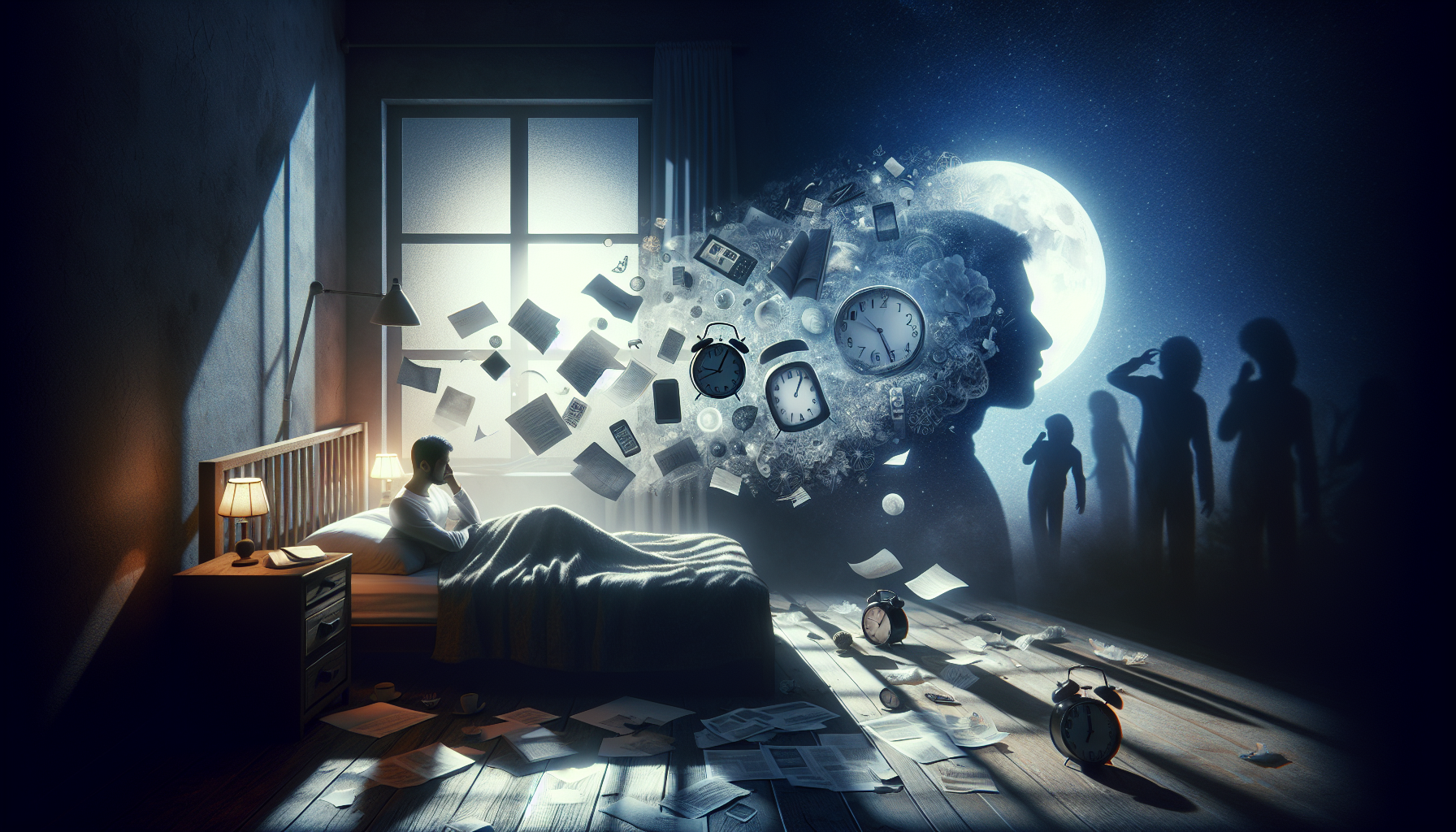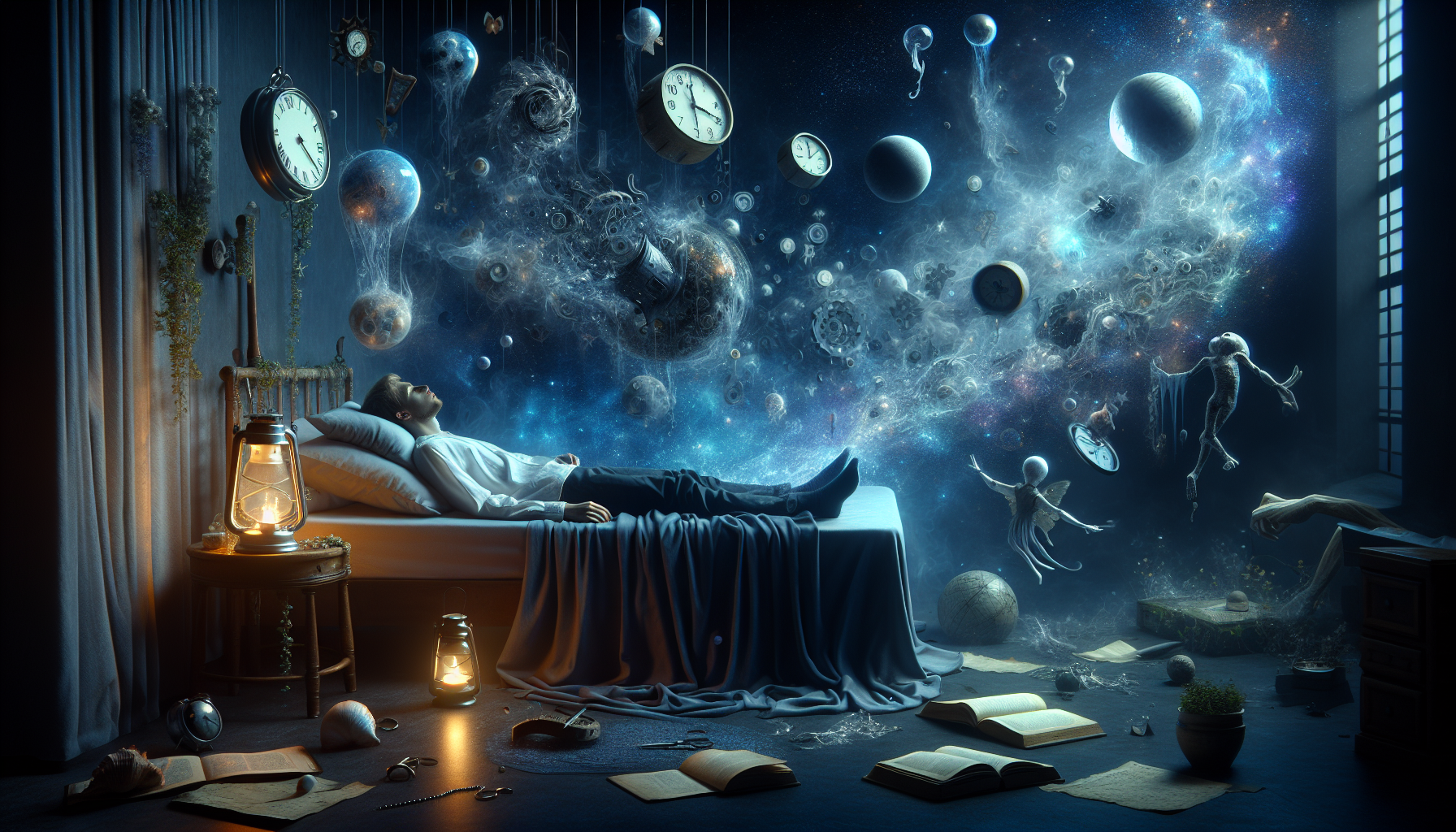
In a world that often demands concrete evidence and tangible results, the ethereal realm of dreams and imagination offers a refreshing escape, an oasis where creativity knows no bounds. For centuries, humans have been captivated by the mysteries of their own subconscious, finding inspiration in the vivid tapestries woven by their nocturnal narratives. But what if these dreams were more than mere flights of fancy? What if they held the key to unlocking the most compelling stories in fictional storytelling? In this exploration of imagination’s power, we will delve into how dreams can be harnessed to craft narratives that not only captivate but resonate deeply with readers around the globe. 🌌
Storytelling is an art as old as humanity itself, a bridge between cultures and generations, allowing us to share experiences, values, and emotions. Yet, in an age brimming with stories competing for attention, the question arises: what makes certain tales rise above the rest? The answer often lies in their ability to touch the deepest parts of our psyche, an ability rooted in the raw and unfiltered creativity that dreams provide. Dreams are the playground of the subconscious, where logic takes a backseat, allowing the bizarre and the beautiful to intermingle freely. This freedom is precisely what authors can tap into, crafting worlds and characters that linger in the minds of readers long after the final page is turned.
Throughout this article, we will journey through the multifaceted relationship between dreams and storytelling, examining how great authors have historically drawn inspiration from their dreamscapes. We’ll uncover techniques to cultivate dream-inspired creativity, offering practical advice for writers seeking to infuse their narratives with the same enchanting quality. Whether it’s the surreal landscapes reminiscent of a Dali painting or characters that feel as vivid as a memory, dreams provide a reservoir of ideas waiting to be transformed into narrative gold. 🖋️
Moreover, we’ll explore the science behind dreaming, unraveling the neurological processes that make our dream experiences so potent and, at times, perplexing. Understanding these mechanisms can provide writers with a toolkit for delving deeper into their subconscious, translating the abstract into concrete storytelling elements. From symbolic meanings to emotional truths, dreams hold clues to the human condition that can enhance the authenticity and relatability of fictional worlds.
Finally, we will address the practical aspects of integrating dreams into your writing routine. From maintaining a dream journal to practicing lucid dreaming, these strategies can help harness the power of imagination, turning the elusive and ephemeral into a wellspring of creativity. Through interviews with contemporary authors and insights from psychological studies, we aim to equip you with the knowledge and inspiration to let your imagination soar. So, prepare to embark on a journey where the boundaries between reality and fantasy blur, and discover how unlocking the power of dreams can elevate your storytelling to unprecedented heights. 🚀
The Role of Dreams in Fictional Storytelling
Dreams have always held a special place in the human psyche, serving as both a source of mystery and a wellspring of creativity. From ancient mythology to modern literature, dreams have played a pivotal role in shaping narratives that captivate audiences and transport them to otherworldly realms. This phenomenon can be attributed to the unique nature of dreams themselves: they are a blend of reality and fantasy, filled with symbolic meanings that can be interpreted in myriad ways.
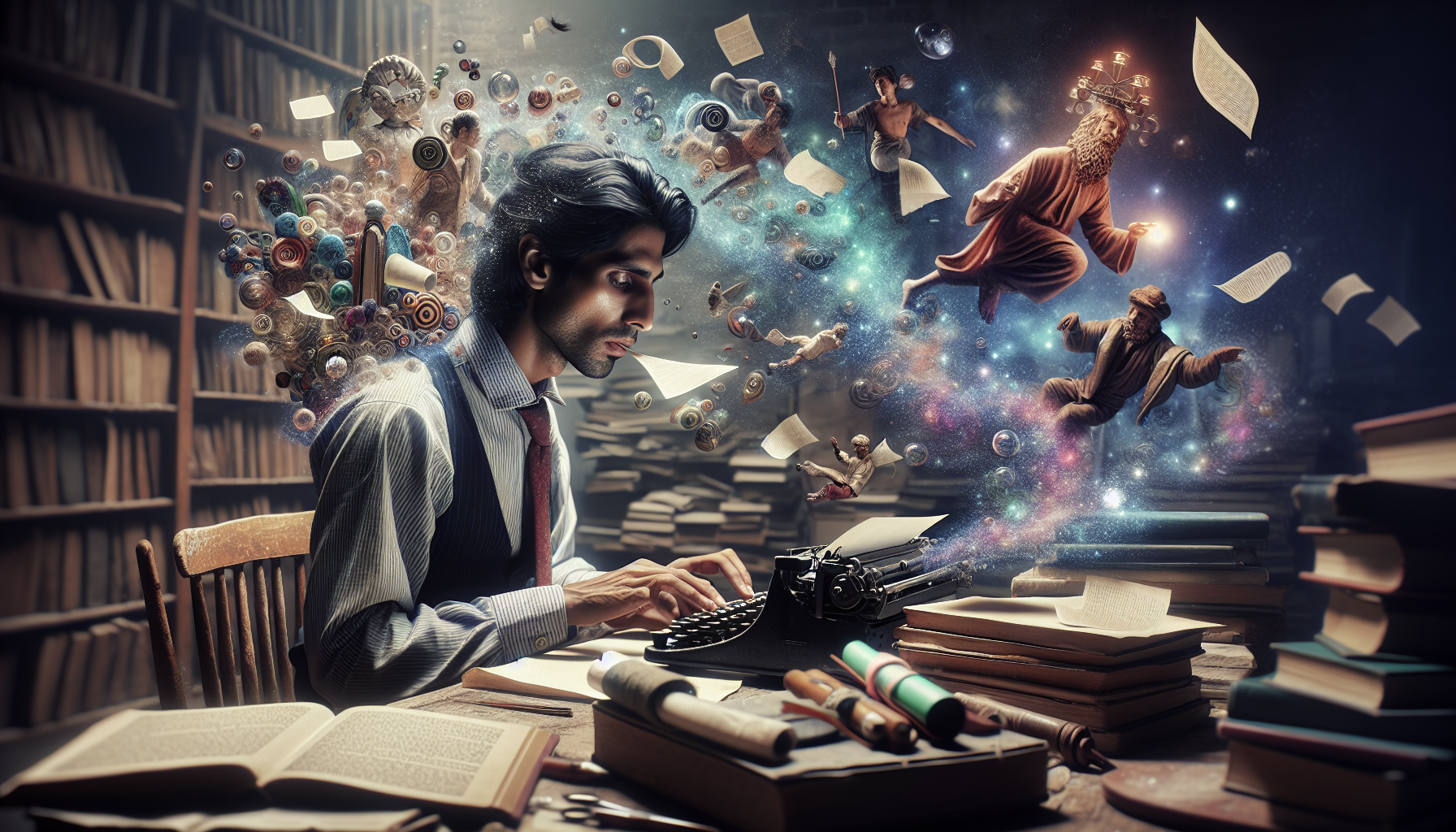
In the realm of fictional storytelling, dreams serve as a powerful tool for writers to delve into the subconscious of their characters, revealing hidden desires, fears, and motivations. By weaving dreams into their narratives, authors can create multi-layered stories that resonate deeply with readers. Dreams can be used to foreshadow events, provide insights into a character’s psyche, or even drive the plot forward. They are a versatile narrative device that, when used effectively, can elevate a story from the ordinary to the extraordinary.
Moreover, dreams provide a unique opportunity for authors to experiment with narrative structure and style. In a dream sequence, the usual rules of logic and causality can be suspended, allowing for creative storytelling techniques such as non-linear timelines, surreal imagery, and symbolic motifs. This creative freedom can result in some of the most memorable and impactful moments in fiction, as readers are invited to interpret the dream’s meaning and significance within the context of the larger story.
Imagination as a Catalyst for Creativity in Storytelling
Imagination is the driving force behind all great storytelling. It is the spark that ignites the creative process, enabling writers to conceive worlds, characters, and plots that are both original and compelling. In the context of fictional storytelling, imagination allows authors to transcend the limitations of reality, crafting narratives that explore themes and concepts beyond the scope of everyday experience.
The process of imagination in storytelling involves the ability to visualize scenarios, empathize with characters, and foresee the potential outcomes of a narrative. Writers who possess a vivid imagination are able to create stories that are rich in detail and depth, drawing readers into a fully-realized world that feels both authentic and enchanting. This imaginative prowess is evident in the works of literary giants such as J.R.R. Tolkien, whose richly detailed world of Middle-earth continues to captivate audiences, and J.K. Rowling, whose Harry Potter series has become a cultural phenomenon.
Imagination also plays a crucial role in the development of character arcs and plotlines. By imagining the inner lives of their characters, authors can create complex, multi-dimensional personalities that resonate with readers. This depth of character development is essential for creating a compelling narrative, as it allows readers to form emotional connections with the characters and become invested in their journeys.
Comparative Analysis: Dreams and Imagination in Storytelling
To better understand the roles of dreams and imagination in storytelling, it is helpful to compare their functions and effects within the narrative structure. Both dreams and imagination are integral to the creative process, but they operate in distinct ways that complement and enhance one another.
| Aspect | Dreams | Imagination |
|---|---|---|
| Function in Storytelling | Reveal subconscious elements, foreshadow events, add surrealism | Create new worlds, develop characters, drive narrative forward |
| Narrative Techniques | Symbolism, surreal imagery, non-linear structure | World-building, character development, thematic exploration |
| Impact on Readers | Encourage interpretation, create intrigue, deepen emotional resonance | Engage imagination, foster empathy, provide escapism |
Dreams often serve as a narrative device to provide insight into a character’s subconscious, revealing hidden fears, desires, and motivations. They offer a unique way to explore the psychological depths of a character, allowing readers to understand their internal struggles and conflicts. In contrast, imagination is a broader tool that encompasses the creation of entire worlds, characters, and plots. It is the foundation upon which a story is built, enabling authors to craft narratives that are both original and engaging.
The impact of dreams on readers is often one of intrigue and interpretation. Dream sequences invite readers to delve deeper into the story, analyzing the symbolic meanings and connections between the dream and the larger narrative. This active engagement can lead to a more immersive reading experience, as readers become co-creators in the story, interpreting its nuances and layers.
On the other hand, imagination captivates readers by engaging their own creative faculties. It transports them to new worlds and introduces them to characters who feel real and relatable. Through the power of imagination, readers are able to escape the confines of reality and explore the limitless possibilities of the fictional realm. This sense of escapism is one of the greatest appeals of storytelling, offering a respite from the challenges of everyday life.
Practical Applications: How Writers Can Harness Dreams and Imagination
For writers seeking to harness the power of dreams and imagination in their storytelling, there are several practical strategies that can be employed. By integrating these elements into their creative process, authors can craft stories that are both compelling and memorable.
- Embrace Symbolism: Dreams are rich in symbolic imagery, making them an ideal tool for exploring complex themes and emotions. Writers can use dreams to convey abstract ideas and emotions, allowing readers to interpret their meaning within the context of the story.
- Experiment with Narrative Structure: Dream sequences offer a unique opportunity to experiment with non-linear storytelling and surreal imagery. By playing with the conventions of narrative structure, authors can create moments of surprise and intrigue that captivate readers.
- Develop Multi-Dimensional Characters: Imagination is key to creating characters that are complex and relatable. By delving into the inner lives of their characters, writers can craft personalities that resonate with readers and drive the narrative forward.
- Engage the Reader’s Imagination: Encourage readers to use their own imaginations by crafting vivid descriptions and immersive world-building. This engagement fosters a deeper connection to the story, as readers become active participants in the narrative.
One effective way to implement these strategies is to study the works of authors who have successfully integrated dreams and imagination into their storytelling. For instance, watch the video “How J.K. Rowling Writes Characters” by the channel “Just Write” on YouTube to gain insights into character development techniques. (Insert a functional link here.)
Conclusion
The exploration of dreams and imagination as fundamental elements in crafting compelling fictional storytelling has led us to a deeper understanding of their profound impact on human creativity and narrative construction. Throughout this article, we’ve journeyed through the intricate connections between dreams, the subconscious mind, and the art of storytelling, illustrating how these elements intertwine to create immersive and emotionally resonant narratives.
We began by examining the nature of dreams, highlighting their role as a reservoir of untapped creativity. Dreams serve as a mirror to our subconscious, reflecting our deepest fears, desires, and experiences in a landscape unbound by the constraints of reality. This unique aspect of dreams allows storytellers to tap into a wellspring of ideas and emotions that can be woven into the fabric of their narratives, enriching the storytelling process with depth and authenticity.
Next, we delved into the historical and cultural significance of dreams in storytelling. From ancient mythologies to contemporary literature, dreams have served as both inspiration and narrative devices, offering insights into characters’ inner worlds and driving plot development. This timeless connection underscores the universal nature of dreams and their enduring relevance in storytelling across cultures and epochs.
We also explored the psychological and cognitive aspects of dreams, drawing on research that highlights their role in problem-solving and emotional processing. This scientific perspective reinforces the notion that dreams are not just whimsical flights of fancy but are integral to our mental and emotional well-being. By incorporating dream elements into storytelling, writers can create narratives that resonate on a deeper psychological level with their audiences.
Furthermore, we discussed practical techniques for harnessing the power of imagination and dreams in storytelling. From keeping dream journals to practicing lucid dreaming, writers can actively engage with their subconscious minds to cultivate a rich tapestry of ideas and motifs. These techniques empower storytellers to break free from conventional thinking and explore new narrative possibilities, ultimately enhancing the originality and impact of their work.
Throughout the article, we’ve emphasized the importance of embracing creativity and imagination as vital tools for storytelling. In a world that often prioritizes logic and pragmatism, allowing ourselves the freedom to dream and imagine can lead to breakthroughs in narrative innovation and emotional engagement. Fictional stories born from the depths of our imagination have the potential to inspire, challenge, and transform both individuals and societies.
As we conclude this exploration, it’s essential to acknowledge the transformative power of dreams and imagination in storytelling. They remind us that at the heart of every great narrative lies a dream—a vision that transcends reality and invites us to explore new dimensions of human experience. By tapping into this wellspring of creativity, storytellers can craft narratives that resonate with authenticity and emotional depth, leaving a lasting impact on readers and audiences alike.
We encourage you, as a reader and perhaps a fellow storyteller, to reflect on the insights shared here and consider how you can apply them to your own creative endeavors. Whether you’re crafting a novel, screenplay, or simply exploring your own imagination, remember the power of dreams as a guiding force in your storytelling journey. 🌟
Finally, we invite you to join the conversation by sharing your thoughts and experiences in the comments section below. How have dreams influenced your own storytelling, or how do you see their role in shaping compelling narratives? Let’s continue this exploration together, fostering a community of creatives who celebrate the magic of dreams and imagination.
Feel free to share this article with others who may find it inspiring or insightful. Together, we can unlock the limitless potential of dreams and imagination, breathing life into stories that captivate and inspire.
For further reading on this topic, explore these resources:
– “The Interpretation of Dreams” by Sigmund Freud [Link to current source]
– “The Creative Brain: The Science of Genius” by Nancy C. Andreasen [Link to current source]
– “Story: Substance, Structure, Style and the Principles of Screenwriting” by Robert McKee [Link to current source]
Thank you for joining us on this journey. May your dreams fuel your imagination and your imagination shape stories that illuminate the world. ✨

João is a visual storyteller and dream archivist whose work explores the delicate threshold between memory and imagination. Through layered visuals and symbolic design, he captures the fleeting essence of dreams — those strange, luminous, and sometimes haunting fragments that slip through sleep and echo into waking life.
His creative journey is fueled by a deep fascination with the subconscious and its boundless imagery. From half-remembered landscapes to recurring archetypes and surreal encounters, each piece João creates becomes a portal into an inner archive — where time bends, meanings shift, and personal mythologies emerge.
With a background in handcrafted artistry and visual composition, João weaves intuition and precision together. His work doesn’t just depict dreams; it preserves them, translating ephemeral visions into tangible forms that stir emotion, spark curiosity, and invite reflection. Each creation is both a record and a doorway into the uncharted terrain of the psyche.
Through illustrated dream journals, symbolic explorations, and visual essays, João invites others to engage with the poetic architecture of their own subconscious landscapes. His art acts as a mirror — not only of what we glimpse in sleep, but of what lies quietly within us all.
His work is a tribute to:
-
The fragile beauty of dreams that fade with dawn
-
The symbolic language of the inner mind
-
The unseen worlds we inhabit but seldom name
Whether you are a lucid dreamer, a seeker of hidden meaning, or simply captivated by the mystery of the night’s visions, João welcomes you to step into a space where dreams are not lost — they are kept, one image, one symbol, one story at a time.